Home Blog

Smart and Affordable Gift Ideas for Valentine

0


Every year, Valentine brings with it the joy of giving, as well as warm get-togethers, comforting traditions, and lights that sparkle. It can be challenging, though, to pick gifts that are meaningful, useful, affordable, and don’t feel generic. Many people try to find gifts that make people feel closer, get everyone in the spirit, and make memories while staying within a comfortable budget. Choosing gifts that are creative, warm, and useful in daily life is a smart and cheap way to celebrate valentine. It is not about giving up on quality.

These days, gifts aren’t just about things; they’re also about experiences, individual tastes, and the meaning behind a simple act. A good valentine gift can show thanks and love, whether you’re planning to make a loved one happy, thank a coworker, or surprise a great host. This guide has useful, meaningful, and cheap ways to give generously without spending too much.

Understanding the Art of Smart Valentine Gifting

A smart gift is one that is useful and shows that you care. Instead of the gift’s elegance, consider the recipient’s interests and lifestyle. The best Valentine gifts are often things that make you feel better, offer you a holiday experience, or improve your daily life. Many individuals enjoy receiving gifts that have a personal touch, such as handcrafted snacks, cozy clothing, or thoughtfully selected drinks.

These days, people also favor minimalism, preferring fewer gifts that hold greater meaning. It’s especially meaningful during the holidays to get things that help with self-care, make celebrations bigger, or have more than one use. This approach allows you to maintain affordability while delivering thoughtful gifts.

Beverage Gifts: A Classic, Inexpensive Way to Celebrate

Drink gifts are still a popular choice during the holidays because they combine tradition with celebration. These gifts, ranging from fancy coffees and wines to handmade juices, can make holiday dinners and small get-togethers more special. For many people, drinks are a symbol of unity and a nice way for hosts, couples, families, or coworkers to show they care.

Holiday-themed drink gift sets are a good option if you want to pick something classy but easy to get. These carefully put-together bundles often include seasonal items that make Valentine more enjoyable. Drinks like a festive red wine, a sparkling beverage, or a comforting winter brew are great ways to make celebrations more fun and memorable.

If you’re going to look at fancier options, picking the best wines for valentine day as a present is usually a good idea. A good bottle improves dinners, goes well with holiday meals, and makes festive events cozier. If the person likes bubbly, you could look into different kinds of the best champagne that people like to drink during holiday toasts, but you can still choose something that fits your budget.

Useful and Comfortable Gifts That Everyone Will Love

A smart gift can also be something that makes the person more comfortable. Everyone loves cozy gifts, especially in the winter. A home can feel cozier right away with soft blankets, warm socks, winter scarves, and candles that smell pleasant. These things are cheap but still meaningful because they help people feel better and more relaxed.

Aromatherapy products are another nice thing to choose. During the busy holiday season, essential oil diffusers, bath salts that soothe, or oils that are naturally scented can help you feel calm and at peace. Many people like taking care of themselves after a long year, and these gifts help with that.

Gourmet Food Presents for Seasonal Joy

Food gifts add flavor to celebrations and help people remember them. Choosing things like cookies, chocolates, fancy snacks, holiday cakes, or handmade preserves makes for fun times with family and friends. A lot of gourmet gift sets are attractively packaged for the holidays and don’t cost too much.

For people who like to fully experience the holidays, food gifts also go well with drinks. Pairing snacks with wine or other drinks makes your gift unique and cheap. Many people like to shop at an online wine gift store because it’s easy to look at and understand the curated pairings. This helps you make a smart choice.

Make Creative Gifts for a Personal Touch

A gift made with love often has more meaning than an expensive one. Making gifts yourself is a wonderful way to add a personal touch without spending too much money.

Some excellent do-it-yourself projects are

  • Ornaments made by hand
  • Personalized picture holders
  • Holiday goodies that are baked
  • Custom art prints
  • Jars that are decorated and are full of candy or office supplies

These presents show effort, thought, and feeling—things that are more important than how much they cost.

Experience-Based Gifts on a Budget

Often, experiences are more memorable than things we buy. More and more, people who give gifts smartly choose experiences instead of physical items that recipients may not need. Experiences make memories that will last a lifetime. Careful planning allows you to keep these experiences within an affordable budget.

Here are some ideas:

  • A box for movie night with blankets and popcorn
  • A holiday music playlist that was put together carefully
  • A small picnic set
  • A simple wellness kit for a home spa

These experiences are affordable, heartwarming, and memorable.

Smart Gift Giving for Families and Couples

Think about getting things that bring people together when you pick gifts for families or couples. Board games, themed holiday kits, cooking sets that everyone shares, and holiday decorations make time spent together better. Drinks or a wine set for dinner with friends are also nice choices.

If the couple likes to eat dinner during the holidays, a nice bottle of wine or a sparkling gift box will make their celebration fancier. Looking into the good Valentine wines to give as a category helps make sure your choice goes with the holiday foods and flavors. If someone likes bubbly, they might enjoy a seasonal champagne. Looking at the top champagne choices that are in your price range can help you make a good choice.

Picking Good Presents Using Online Platforms

Since more and more people are shopping online, a lot of people depend on hand-picked collections that they can find in an online wine gift store or lifestyle gifting platform. These online options help customers compare items, look into seasonal themes, and make smart choices without having to spend extra time looking around in different places.

Online shopping also helps you learn about different types of things, like drinks, fancy snacks, home goods that make you feel cozy, gifts for couples, and seasonal experiences. This makes it easier to choose the right gift.

In Conclusion

Giving smart, meaningful, and inexpensive gifts at Valentine celebrates joy, warmth, and love instead of over-the-top spending. Every thoughtful gift, whether it’s a cozy home item, a gourmet treat, a handmade surprise, or a carefully chosen drink, helps make holiday memories that will last a lifetime. Picking a good wine for Valentine, discovering the charm of high-end champagne, or looking through curated collections in an online wine gift shop can improve your gifting experience without costing too much.In the end, Valentine is about connecting with others. Every gift, big or small, shows that you care and have put thought into it. You can make every party special, fun, and unforgettable if you plan ahead and choose the right things.

A Homeowner’s Checklist for a Durable, Low Maintenance Roof

0

A roof does more than keep out rain. It protects your home’s structure, stabilizes indoor comfort, and shields you from costly surprises. The challenge is that most people only think about roofing when something goes wrong. A better approach is to plan ahead and choose materials that are built for the long haul.

If you are considering a repair or replacement, start by understanding the basic layers of a roof. You have the visible surface material, the underlayment that serves as a water barrier, and the flashing that protects seams and edges. Any weak link can cause issues. That is why quality materials matter as much as the installer.

One of the smartest steps is choosing a supplier that offers dependable options and guidance. LA Roofing Materials carries a wide range of products that fit different home styles, budgets, and climate needs. That makes it easier to pick the right system rather than defaulting to the cheapest option.

Here is a simple checklist to keep your roof strong and low maintenance:

1) Match materials to your climate.

Hot sun and dry heat can crack or fade lower grade materials. Seasonal rain demands reliable drainage and waterproofing. Choose products made for the conditions you live in.

2) Check ventilation.

Poor attic airflow traps heat and moisture, shortening roof life. Proper ventilation keeps temperatures stable and prevents mold or warped materials.

3) Invest in good flashing.

Flashing protects roof edges, chimneys, skylights, and valleys. It is a small detail that prevents large leaks.

4) Keep gutters clean.

Clogged gutters cause water to back up under roof edges. A simple cleaning schedule avoids a lot of damage.

5) Schedule visual inspections.

You do not need to climb on the roof. Look for curling shingles, dark spots, or debris buildup. Catching small issues early saves money.

Also consider the long term costs. A roof that lasts five years longer can offset a higher upfront price. If you plan to sell your home, a newer roof can also increase buyer confidence. Buyers notice when a roof looks new and well maintained.

If you are overwhelmed by choices, pick two priorities. For example, you might care most about energy savings and longevity. From there, narrow your options to materials that deliver those benefits and are supported by reputable manufacturers. A supplier with deep inventory can help you compare without pressure.

The best roofing plan is proactive, not reactive. A little research and smart material choices now can mean fewer repairs later. Your roof should be a quiet success story, not a recurring headache.


The Benefits of Using Baking Soda on Carpets

0

Baking soda is one of those simple household ingredients that works wonders. It’s affordable, easy to find, and completely natural. The best part is that it can transform how your carpets look, feel, and smell.

Whether you’re dealing with everyday dirt, stubborn stains, or lingering smells, this powder can save you trips to the shop for harsh chemical cleaners.

With just a few minutes and a sprinkling of powder, you can freshen up your carpets, lift light stains, and make your home feel cleaner — all without worrying about harmful chemicals around children or pets.

Say Goodbye to Lingering Odours

There’s nothing worse than walking into a room and being hit by unpleasant carpet smells. Whether it’s the smell of damp shoes, pets, cooking aromas, or everyday foot traffic, odours can cling to your carpet fibres far longer than you realise.

Baking soda offers a natural and effective way to tackle these smells at the source. Chemical fresheners merely mask odours with artificial scents. In contrast, this fine powder absorbs and neutralises the particles causing the problem, leaving your home genuinely fresh.

Using baking soda is surprisingly simple. Spread a thin, even layer over the carpet, making sure to reach corners and under furniture where smells tend to linger.

For a more even application, a flour sieve or shaker works perfectly, preventing the powder from clumping and ensuring every fibre has a chance to benefit. Once applied, allow the baking soda to rest for at least fifteen minutes.

Stronger odours, like smoke or pet accidents, will respond best if you leave the powder down for a few hours, giving it time to draw out trapped smells from deep within the pile.

Vacuuming is the final, crucial step. Move slowly across the carpet, covering each section carefully to lift both the powder and the absorbed odour. Using attachments to clean along skirting boards or around furniture edges ensures nothing is missed.

With this simple routine, even the most stubborn smells begin to fade, and high-traffic areas regain a sense of freshness.

For ongoing results, repeating the process every couple of weeks can prevent odours from building up in the first place.

Lift Stains Effortlessly

Stains are inevitable, whether it’s a dropped cup of coffee, a splash of wine, or a little mishap from your furry friend.

The good news is that baking soda can tackle these problems gently yet effectively, without the harsh chemicals found in many commercial cleaners.

Its natural properties help break down acidic stains, while the fine texture provides a light scrubbing effect. That’s how it lifts dirt and marks without damaging the carpet fibres.

For best results, start by creating a smooth paste using equal parts baking soda and water. Apply it carefully to the stained area, making sure the entire mark is covered. Allow it to sit for around thirty minutes, giving the powder time to absorb the stain.

For deeper or older stains, leaving it for a little longer can make a noticeable difference. When it’s time to clean, gently rub the paste in circular motions, working from the edge of the stain toward the centre.

This prevents the mark from spreading and encourages it to lift cleanly from the fibres. Fresh stains respond best, so it’s worth keeping a small jar of pre-mixed paste on hand for emergencies.

For stubborn spots like wine or grease, a little extra patience and gentle brushing may be needed, but the results are often surprisingly good.

Keep Your Carpets Feeling Soft and Fresh

Carpets don’t just trap dirt and odours. Over time, their fibres can become flattened, lifeless, and uncomfortable underfoot.

Baking soda offers a gentle way to revive both the look and feel of your carpets, leaving them soft, fresh, and inviting. Its natural absorbent properties lift deep-seated dust and grime.

Careful application can restore that light, airy texture that makes walking barefoot or playing on the floor more enjoyable.

To refresh your carpets, sprinkle a generous layer of baking soda evenly across the surface, paying extra attention to high-traffic areas where wear tends to show first. Allow it to sit for at least half an hour so it can absorb odours and loosen embedded particles.

For thicker carpets, such as shag or plush styles, a slightly longer wait can make a noticeable difference, giving the powder time to work its way through the fibres.

Once the treatment time is up, vacuum thoroughly, moving slowly to lift both the baking soda and any loosened dirt.

For an added touch, you can blend a few drops of natural essential oils, such as lavender, eucalyptus, or citrus, into the baking soda before applying. This creates a subtle, long-lasting scent throughout your home.

While regular baking soda treatments go a long way, there are times when professional expertise can make a real difference.

Trusted house carpet cleaning services in your area can provide deep cleans, steam treatments, or specialist stain removal for carpets that need more than a quick home treatment.

Combining your regular baking soda routine with occasional professional cleaning keeps carpets looking their best for longer, extending their lifespan and keeping your home truly fresh.

Protect Your Family with Natural Cleaning

One of the greatest advantages of baking soda is that it’s completely non-toxic, making it ideal for households with children and pets.

Unlike chemical cleaners that can irritate skin, eyes, or lungs, this natural powder works quietly and safely, giving you peace of mind while keeping your carpets clean and fresh.

You can tackle odours, spills, and stains without worrying about harmful residues lingering where little ones crawl, or pets play.

Beyond its safety at home, baking soda is also gentle on the environment. It biodegrades naturally and leaves no harsh chemical traces behind, making it a green alternative to conventional carpet cleaners.

For families looking to reduce their environmental footprint, swapping chemical treatments for baking soda is a simple step that makes a substantial difference.

Its versatility extends even further. Combine baking soda with other natural ingredients, like white vinegar or lemon juice, to create powerful, multi-purpose cleaners. Then, you can tackle everything from everyday dirt to stubborn spills.

This flexibility means that you will maintain a healthy home without relying on multiple bottles of chemical products, reducing both waste and cost.

By choosing baking soda, you’re not just cleaning your carpets—you’re creating a safer, healthier space for the people and pets you care about, while supporting a more sustainable household. It’s a small change that delivers big benefits every day.

Conclusion

Baking soda isn’t just effective—it’s incredibly easy to use. You don’t need specialist equipment, expensive products, or complicated techniques to revive your carpets. Simply sprinkle a light layer over your carpet, allow it to work for a while, and vacuum thoroughly.

Use baking soda regularly as part of your home cleaning routine. Your carpets will stay cleaner, smell fresher, and feel softer for a long time.


Maximizing Your Solar Investment: The Critical Role of Roof Health in Florida

0

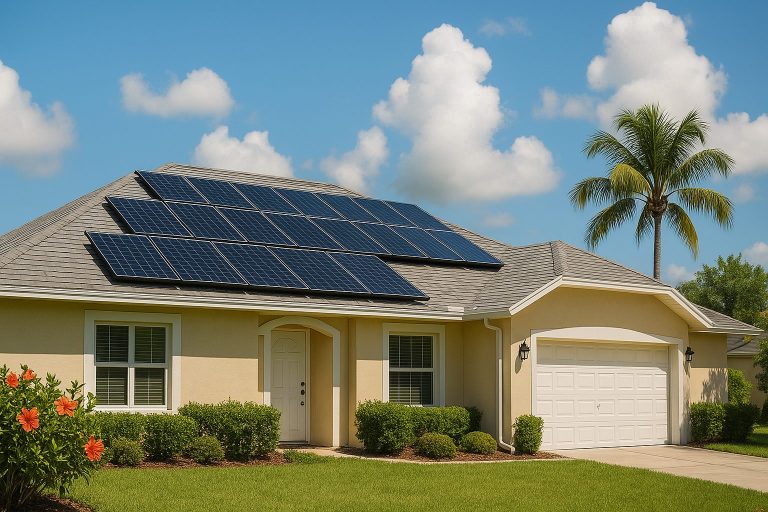
Every day, thousands of Florida homeowners watch the sun rise over their properties and wonder: could that abundant sunlight be cutting my electricity bills in half? The answer is almost always yes, but there’s a crucial prerequisite that catches many people off guard. Before residential solar panels can transform your energy future, your roof needs to be ready for the challenge.

The intersection of roofing and solar technology represents one of the most important decisions you’ll make as a homeowner. Get it right, and you’ll enjoy decades of clean energy and protection. Get it wrong, and you could face expensive repairs, premature replacements, and frustrating complications. This guide explores everything you need to know about preparing your roof for solar success.

The Hidden Connection Between Roofs and Solar Performance

Most homeowners researching solar panel installation focus on panel efficiency, inverter technology, and energy production estimates. These factors matter, but they overlook a fundamental truth: your solar system is only as good as the roof supporting it.

Think of your roof as the platform for a 25-30 year commitment. Solar panels don’t just sit on top of your home—they become an integrated part of your roofing system. Mounting brackets penetrate the roof surface, creating sealed attachment points that must remain watertight through decades of rain, wind, and temperature fluctuations.

A compromised roof creates a cascade of problems. Water intrusion damages not just your home’s interior but can also affect the electrical components of your solar system. Structural weakness means panels may not maintain optimal angles for energy production. And perhaps most frustrating, discovering roof problems years after installation means paying to remove and reinstall your entire solar array just to fix the underlying issue.

Professional assessment before installation prevents these scenarios. Qualified inspectors examine structural capacity, remaining lifespan, current damage, and compatibility with solar mounting systems. This evaluation should be non-negotiable when considering any solar project.

Breaking Down the True Economics of Going Solar

The question “what’s the solar panel cost?” deserves a nuanced answer because pricing varies dramatically based on system size, equipment quality, roof complexity, and additional services required.

For a typical Florida home using 1,000-1,200 kWh monthly, expect investment ranges between $18,000 and $35,000 before incentives. This covers panels, inverters, mounting equipment, electrical work, permitting, and professional installation. The federal solar tax credit immediately reduces this by 30%, and Florida offers additional local incentives depending on your utility provider.

But raw numbers tell only part of the story. Consider monthly savings against your current electricity bills. Most Florida homeowners see $150-250 in monthly utility reductions, meaning a $25,000 system (after tax credits) pays for itself in approximately 8-10 years. For the remaining 15-20 years of the system’s life, you’re generating essentially free electricity while utility rates continue climbing for your neighbors.

Property value increases add another dimension. Studies consistently show homes with solar systems sell for 4-6% more than comparable properties, often selling faster as well. When you combine immediate savings, long-term energy production, and increased home value, the economics become compelling for most homeowners.

Identifying the Right Solar Installation Partner

Type “solar installers near me” into any search engine and you’ll face dozens of options. Distinguishing quality providers from mediocre ones requires knowing what questions to ask and what qualifications matter most.

Experience in Florida specifically separates good installers from great ones. Solar installation in Arizona or California teaches valuable skills, but Florida’s hurricane codes, corrosion concerns, and unique architectural styles require specialized knowledge. Look for companies with at least five years of Florida-specific experience and verifiable local installations you can see or speak with homeowners about.

Licensing and certification provide baseline assurance. All solar companies in Florida should carry proper contractor licenses, and installers should hold NABCEP (North American Board of Certified Energy Practitioners) certifications. These credentials confirm technical competence and adherence to industry standards.

Comprehensive service offerings signal a company that understands the full picture. The best solar installers don’t just mount panels—they evaluate roof condition, coordinate necessary repairs, handle all permitting, manage utility interconnection, and provide long-term maintenance. Companies that only focus on the solar side while ignoring roof health are missing critical components of successful installation.

Warranty coverage reveals confidence in workmanship. Quality installers offer robust warranties covering not just equipment (typically manufacturer-provided) but also installation labor, roof penetrations, and system performance. Be cautious of companies offering limited warranties or those with confusing exclusions.

Financial transparency separates trustworthy companies from questionable operators. Detailed proposals should break down equipment costs, labor expenses, permitting fees, and expected energy production using your actual roof characteristics and energy usage. Companies pushing financing with hidden fees or making unrealistic savings projections deserve skepticism.

Recognizing When Roof Repair Can’t Wait

Proactive roof repair before solar panel installation prevents future headaches and protects your investment. Certain warning signs demand immediate attention, while others suggest problems developing that will worsen over time.

Visible damage on the roof surface provides the clearest signals. Missing, cracked, or curling shingles compromise waterproofing and indicate aging materials. On tile roofs, broken or slipped tiles create immediate leak risks. Metal roofing might show rust spots, loose panels, or damaged seams. None of these issues improve with time, and adding solar panels to damaged roofing accelerates deterioration.

Interior signs often reveal problems before exterior damage becomes obvious. Water stains on ceilings or walls indicate active leaks that need immediate professional attention. Musty odors in attics suggest moisture intrusion damaging insulation and decking. Sagging ceiling areas point to structural problems that must be addressed before adding solar panel weight.

Age alone warrants careful inspection even without visible problems. Asphalt shingle roofs typically last 15-25 years in Florida’s intense climate. Tile roofs endure longer but underlayment degrades over time. Metal roofing offers the longest lifespan but still requires inspection of fasteners, seams, and protective coatings. If your roof approaches or exceeds expected lifespan, professional evaluation before solar installation becomes essential.

The cost of addressing these issues before solar installation is always less than dealing with them afterward. Repairs on a bare roof require straightforward work. Once solar panels cover portions of your roof, accessing problem areas means removing and reinstalling panels, adding thousands to repair costs.

When Starting Fresh Makes More Sense

Sometimes roof replacement represents the smarter choice than attempting repairs. Several scenarios make this decision clear, while others require professional guidance to determine the best path forward.

Roofs nearing the end of their expected lifespan should be replaced before solar installation regardless of current condition. Installing a 30-year solar system on a roof with only 5-7 years of life remaining guarantees you’ll face the expense of panel removal and reinstallation soon. Starting with a new roof aligns timelines and eliminates this predictable problem.

Extensive damage from storms or age often costs nearly as much to repair properly as replacement would cost. When repair estimates exceed 40-50% of replacement costs, starting fresh usually provides better value. You receive a complete warranty on new materials rather than patching an aging system.

Upgrading to better roofing materials during replacement creates opportunities to enhance your solar investment. Homeowners replacing worn asphalt shingles might choose metal roofing for its longevity and energy efficiency. Those with failing flat roofs can switch to materials better suited for solar mounting. Replacement allows optimizing your roof specifically for solar performance.

Coordinating roof replacement with solar panel installation often reduces overall costs. Contractors can schedule work efficiently, scaffolding serves both projects, and permitting can sometimes be combined. Some solar companies offer bundled pricing for roof replacement and solar installation, recognizing that starting fresh benefits both homeowner and installer.

The Unmatched Advantages of Metal Roofing for Solar

When replacing your roof in preparation for solar, metal roofing deserves serious consideration as one of the best foundations for residential solar panels. The benefits extend far beyond simple durability.

Exceptional longevity means metal roofs last 50-70 years with proper maintenance, easily outliving solar panels that typically need replacement after 25-30 years. This eliminates concerns about roof lifespan and allows you to focus entirely on solar performance without worrying about underlying structure.

Superior strength handles both solar panel weight and Florida’s severe weather. Metal roofs withstand hurricane-force winds that would devastate other materials, keeping your solar investment secure during the worst storms. The rigid surface also supports mounting equipment without the flexing that can loosen attachments on other roof types.

Enhanced energy efficiency compounds solar savings. Metal reflects rather than absorbs heat, reducing attic temperatures by 20-30 degrees and cutting cooling costs significantly. When combined with solar energy production, these savings can reduce total energy expenses by 60-80% compared to homes with traditional roofing and no solar.

Installation advantages make solar mounting faster and more secure. Metal roofing panels provide consistent, strong attachment points. Modern mounting systems designed for metal roofs minimize penetrations while creating watertight seals that last for decades. The smooth, non-porous surface eliminates concerns about water intrusion that plague some installations on other materials.

Environmental benefits align with solar values. Most metal roofing contains 40-60% recycled content and is 100% recyclable at end of life. Durability means fewer replacements over a building’s lifetime, reducing waste. For homeowners motivated by environmental concerns, pairing metal roofing with solar creates a highly sustainable energy and protection system.

Responding to Sudden Roof Emergencies

Florida’s weather volatility means even well-maintained roofs can suffer sudden damage requiring immediate response. Knowing how to handle these emergencies protects both your home and your solar investment.

Emergency roof repair becomes critical when storms cause immediate leaks or structural damage. High winds can lift shingles or tiles, tear metal panels, or send debris crashing through roof surfaces. Heavy rain following this damage allows water to pour into your home, threatening everything from insulation to electrical systems.

Immediate response limits damage severity. At the first sign of leaks, place containers to catch water and move valuables away from affected areas. If safe to do so, examine your attic for the water’s entry point. Document all damage with photos for insurance purposes.

Professional emergency services provide temporary protection while permanent repairs are planned. Tarping prevents additional water intrusion during the assessment and repair process. Emergency teams trained to work around solar installations can protect both your roof and your panels while securing your home.

Communication with your solar installer matters if panels are involved. Some roof damage may affect solar equipment or mounting systems. Your solar company needs to inspect their work and coordinate with roofing contractors to ensure repairs don’t compromise panel performance or void warranties.

Prevention through maintenance reduces emergency frequency. Annual roof inspections catch minor problems before they become major failures. After severe storms, even without obvious damage, professional assessment can identify hidden issues that would otherwise cause problems months later.

Understanding Tile Roof Repair Complexities

Florida’s architectural heritage includes countless tile roofs adding beauty and character to homes across the state. These distinctive roofs require specialized knowledge for both maintenance and solar installation.

Tile roof repair demands careful technique because ceramic and concrete tiles are brittle and easily damaged. Walking on tiles improperly causes cracks or breaks that create leak points. Professional roofers trained in tile work know proper foot placement and use specialized equipment to distribute weight safely.

The waterproofing layer beneath tiles provides actual weather protection. Tiles themselves shed water, but the underlayment creates the waterproof barrier. When mounting solar panels on tile roofs, installers must access this underlayment to create proper attachments while maintaining the waterproof seal.

Individual tile replacement becomes necessary when tiles crack, break, or slip out of position. Finding matching tiles can be challenging for older roofs or discontinued styles. Experienced tile roof specialists maintain relationships with suppliers and can often locate or custom-make replacement tiles that blend seamlessly with existing roofs.

Flashing details around chimneys, vents, and valleys require extra attention on tile roofs. These areas experience concentrated water flow and are prone to leaks if not properly maintained. Before solar installation, all flashing should be inspected and replaced if showing signs of deterioration.

The weight of solar equipment on tile roofs requires structural verification. While tile roofs are designed to handle the weight of heavy clay or concrete tiles, adding solar panels increases load. Professional structural assessment confirms your roof can support both tiles and solar equipment safely.

Navigating Your Solar Journey Step by Step

Understanding the solar panel installation process demystifies what can seem like an overwhelming project. Each phase serves specific purposes and builds toward a functioning, permitted, reliable solar energy system.

Discovery consultation establishes whether solar makes sense for your situation. Reputable solar companies begin by understanding your energy usage, examining your roof, discussing your goals, and providing preliminary estimates. This conversation should be informative rather than high-pressure, giving you information to make informed decisions.

Detailed site assessment follows initial interest. Installers measure your roof precisely, document orientation and pitch, note obstacles like chimneys or vents, identify shading sources, and photograph all conditions. This information feeds into system design software that models your specific installation.

Roof condition evaluation determines whether you can proceed immediately or need to address roofing issues first. Structural engineers or experienced roofers assess load capacity, remaining lifespan, current damage, and compatibility with solar mounting systems. This critical step prevents costly problems later.

Custom system design creates a plan optimized for your roof and energy needs. Modern software simulates how panels will perform in your exact location, accounting for sun angles throughout the year, shading patterns, and weather conditions. You’ll see projected energy production and payback timelines based on your actual situation.

Permitting and approvals navigate local requirements, utility interconnection agreements, and homeowner association rules where applicable. Professional solar companies handle this bureaucratic process, ensuring compliance with all regulations and securing necessary approvals before installation begins.

Installation day brings trained crews who mount racking systems, install panels, run electrical connections, and integrate inverters and monitoring equipment. Most residential installations complete in 2-4 days depending on system size and roof complexity.

Inspection and approval from local building departments and your utility company ensures everything meets code and safety requirements. These mandatory inspections verify proper installation and authorize system connection to the electrical grid.

System activation and training mark the beginning of your solar journey. Installers test all components, verify proper operation, connect monitoring systems, and teach you how to track your energy production. You’ll see immediately how much electricity your new system generates.

Making Your Solar Decision With Confidence

The path to solar energy runs directly through your roof. No aspect of solar panel installation matters more than ensuring you have a solid, reliable foundation capable of supporting panels for decades while protecting your home from Florida’s challenging weather.

Success requires honest assessment of your roof’s current condition, realistic planning for necessary repairs or replacement, and partnership with qualified professionals who understand both roofing and solar technology. Whether you need minor tile roof repair, complete roof replacement, or can proceed directly to solar installation, knowing your starting point guides smart decisions.

Florida’s sunshine represents an enormous opportunity for homeowners willing to make strategic investments in their property. Lower energy costs, increased home value, and environmental benefits make solar attractive, but only when installed correctly on roofs prepared for long-term performance.

Your next step is simple: have your roof professionally evaluated by experts who understand solar requirements. This assessment reveals your current situation and clarifies the best path forward. You’ll know whether you can proceed immediately or need to address roofing concerns first, giving you a clear roadmap toward energy independence.

For more information about HomeX Solar’s services and to schedule a free consultation, visit https://homexmarketing.com/get-a-quote/


 

5 Ways to Save Money on Your Kitchen Storage Upgrade

0

Kitchen renovations represent one of the most significant investments homeowners make in their properties. Among all the elements involved, storage solutions often consume the largest portion of the budget. The challenge lies in creating a functional, beautiful space without depleting your savings account entirely.

Storage frustrations affect daily life more than most people realize. Cluttered countertops create stress during meal preparation. Items disappear into deep cabinets never to be seen again. Inefficient organization wastes both time and money as you repurchase forgotten items.

The encouraging news? Smart strategies exist that deliver impressive results without financial strain. You don’t need unlimited budgets to transform chaotic kitchens into organized, efficient spaces. Strategic planning and informed decisions make quality upgrades accessible to various budget levels.

Kitchen storage cabinets form the foundation of any successful organizational upgrade. They determine how much you can store and how easily you access those items daily. Getting these decisions right transforms frustrating spaces into functional command centers.

At the heart of budget-conscious renovations lies understanding where to invest and where to save. Not every element deserves equal spending. Identifying priorities ensures your dollars work hardest in areas that matter most to your daily kitchen experience.

Understanding Your Storage Cabinet Options

The first step toward smart savings involves understanding available options in the marketplace. Kitchen storage cabinets come in several distinct categories, each offering different balances of cost, quality, and customization. Making informed choices requires knowledge of these differences.

Stock Cabinets: The Budget-Friendly Foundation

Stock cabinets represent the most economical entry point for kitchen storage upgrades. Manufacturers produce these in standard sizes with limited style and finish options. The standardization keeps costs low through efficient production processes and economies of scale.

These pre-manufactured units work perfectly for straightforward kitchen layouts with standard dimensions. They ship quickly and install efficiently, reducing both material and labor expenses. For rental properties or quick updates, stock options deliver functionality without excessive investment.

Material quality in stock cabinets varies but typically includes durable laminates or thermofoil finishes. While customization remains limited, modern stock options offer surprisingly attractive styling. The key lies in accepting standard sizes and working within those constraints creatively.

Semi-Custom Solutions: The Middle Ground

Semi-custom cabinets bridge the gap between economy and luxury pricing. These options provide more flexibility in sizing, styles, and features than stock alternatives. Many include upgraded hardware like soft-close hinges and full-extension drawer slides.

The broader selection of materials and finishes allows better coordination with your design vision. You gain some personalization without the premium pricing of fully custom work. This middle tier suits homeowners seeking quality improvements while maintaining budget consciousness.

Storage configurations in semi-custom lines often include specialized solutions. Pull-out organizers, spice racks, and drawer dividers become available options. These features maximize storage efficiency without requiring custom fabrication.

Fully Custom Cabinets: Maximum Personalization

Custom fabrication offers unlimited design possibilities but comes with corresponding price premiums. Every dimension, material, and detail receives individual attention and crafting. For unique spaces or specific visions, custom work delivers unmatched results.

Understanding cabinetry construction methods reveals why custom costs more. Traditional joinery techniques and individual craftsmanship require significant time investment. However, the perfect fit and personalized features justify costs for many homeowners.

The decision between these tiers depends on your specific situation, budget, and priorities. Each option serves particular needs effectively when matched appropriately to circumstances.

Timing Your Purchase Strategically

Smart shoppers recognize that when you buy matters as much as what you buy. Strategic timing can reduce kitchen storage cabinets costs by 20-40% through seasonal patterns and promotional cycles.

Year-End Clearance Opportunities

Late autumn and early winter bring inventory clearance as retailers make room for new product lines. Manufacturers introduce updated styles annually, making previous season’s designs available at steep discounts. These cabinets offer identical quality and functionality at significantly reduced prices.

Planning renovations around these clearance periods requires flexibility in timing. However, the substantial savings often justify waiting several months. Display models and discontinued colors present additional discount opportunities during these periods.

Holiday Sales Events

Major holidays consistently feature home improvement promotions. Memorial Day, Labor Day, and Black Friday sales include kitchen storage solutions prominently. Retailers compete aggressively during these periods, creating genuine savings opportunities for prepared shoppers.

The key to maximizing holiday savings involves researching products beforehand. Know exactly what you need before sales begin. This preparation prevents rushed decisions and ensures you recognize true value when presented.

Spring Renovation Season Kickoffs

Early spring brings promotional events as retailers target renovation season. Columbus kitchen cabinets suppliers in the Dublin area often launch spring sales encouraging homeowners to begin projects. These promotions bundle products creating comprehensive value packages.

Understanding seasonal shopping patterns helps predict these sales cycles. Retailers follow predictable patterns based on renovation trends and consumer behavior. As I have researched through market analysis, planning purchases around these cycles consistently produces savings.

Staying informed through newsletters, social media, and supplier websites ensures you catch these opportunities. Early notification allows schedule adjustments to capitalize on limited-time offers.

Maximizing Value Through Smart Shopping

Beyond timing, how you shop dramatically affects final costs. Strategic approaches to comparing options and negotiating purchases yield significant savings without quality compromise.

Comparing Multiple Suppliers Thoroughly

Gathering quotes from various sources reveals market pricing and prevents overpaying. However, effective comparison goes beyond simple price matching. Consider material quality, warranty coverage, installation services, and supplier reputation comprehensively.

Local suppliers in Dublin, Columbus, OH often provide competitive advantages over national chains. Lower overhead and regional relationships translate to better pricing. Professional kitchen storage solutions from established local businesses combine value with personalized service.

Request detailed quotes itemizing all costs including delivery, installation, and additional fees. Hidden charges inflate seemingly attractive base prices. Transparent pricing indicates supplier integrity and prevents unpleasant surprises.

Exploring Financing and Payment Options

Many suppliers offer financing programs that make quality purchases more accessible. Spreading costs over time through zero-interest promotional periods effectively reduces immediate budget impact. This approach allows better material choices without straining current cash flow.

As per my knowledge from financial planning experts, strategic use of promotional financing beats settling for inferior products. However, ensure you can complete payments within promotional periods avoiding interest charges.

Some programs bundle purchase financing with installation services. These comprehensive packages simplify budgeting while ensuring coordination between material supply and labor scheduling.

Package Deals and Bundled Savings

Purchasing kitchen storage cabinets as part of comprehensive renovation packages often yields substantial discounts. Bundling cabinets with countertops, hardware, or installation services reduces overall costs compared to separate purchases.

Suppliers create these packages to encourage larger orders while passing volume savings to customers. The coordination benefits extend beyond pricing, ensuring design cohesion across kitchen elements.

Columbus kitchen cabinets paired with coordinated countertops through package deals simplify decision-making while maximizing value. Single-source solutions reduce complexity and improve project outcomes.

Optimizing Existing Cabinets Creatively

Sometimes the best savings come from avoiding new purchases entirely. If your existing kitchen storage cabinets remain structurally sound, strategic updates can deliver dramatic transformations at minimal cost.

Refacing for Fresh Appearance

Cabinet refacing replaces visible components—doors, drawer fronts, and hardware—while retaining existing boxes. This approach costs 40-60% less than complete replacement while delivering similar visual impact.

The process works perfectly when cabinet boxes remain square, sturdy, and properly positioned. New doors in contemporary styles modernize kitchens instantly. Updated hardware completes transformations that rival full replacements aesthetically.

Color changes through refacing offer remarkable flexibility. Switch from dated finishes to current trends affordably. This update breathes new life into tired kitchens without demolition disruption or excessive cost.

Painting and Hardware Updates

For structurally sound cabinets with good bones, professional painting delivers incredible transformation value. Quality paint and proper preparation create durable, beautiful finishes. This option costs a fraction of replacement while completely changing kitchen character.

Replacing hardware represents the simplest, most cost-effective update available. New pulls and knobs modernize cabinets instantly. This minor investment yields disproportionate visual impact throughout kitchens.

Combining painting with hardware updates creates comprehensive transformations for hundreds rather than thousands of dollars. The savings fund other kitchen improvements or remain in your pocket entirely.

Interior Organization Upgrades

Adding organizational features to existing cabinets maximizes storage capacity without expanding physical footprints. Pull-out shelves, drawer dividers, and lazy Susans transform wasted space into functional storage.

These interior upgrades often deliver better daily value than new cabinets. Improved accessibility and organization enhance kitchen efficiency regardless of cabinet age or style. The modest investment pays dividends through years of convenient use.

As I have researched through home organization studies, interior functionality matters more than exterior appearance for daily satisfaction. Prioritizing organizational features over cosmetic updates frequently produces better value propositions.

Considering Alternative Solutions

Creative thinking about storage solutions reveals options beyond traditional cabinetry. These alternatives sometimes provide better value for specific situations or budget constraints.

Ready-to-Assemble (RTA) Options

RTA cabinets arrive unassembled, reducing shipping costs and retail pricing significantly. For handy homeowners, assembly and installation become manageable DIY projects. This approach combines quality materials with labor cost savings.

Modern RTA options rival assembled cabinets in quality and styling. Improved manufacturing ensures proper fit and finish. The key lies in carefully following assembly instructions and measuring installation locations precisely.

Columbus kitchen cabinets available in RTA formats provide budget-conscious alternatives without compromising aesthetics. The time investment in assembly pays off through substantial financial savings.

Open Shelving Strategies

Open shelving costs dramatically less than closed cabinets while creating contemporary aesthetics. Strategic placement breaks up cabinet runs while providing display space. This approach works particularly well for frequently used items or attractive dishware.

The key to successful open shelving involves careful curation of displayed items. Organized, attractive arrangements enhance kitchen character. Cluttered, disorganized shelves create opposite effects.

Mixing open shelving with closed kitchen storage cabinets balances budget, aesthetics, and practicality. This hybrid approach reduces cabinet quantity needs while maintaining adequate concealed storage.

Freestanding Furniture Pieces

Antique or new freestanding storage furniture sometimes provides better value than built-in solutions. Vintage pieces add character while offering substantial storage capacity. This approach particularly suits eclectic or farmhouse design aesthetics.

Freestanding options maintain flexibility for future changes. Unlike permanent installations, furniture pieces move with you or adapt to evolving needs. This versatility adds value beyond simple storage function.

As per market research in the Dublin, Columbus, OH area, creative combinations of built-in and freestanding storage often cost less than comprehensive built-in solutions. Transform your kitchen affordably through thoughtful combinations addressing your specific storage needs.

Why Professional Guidance Matters

While DIY approaches offer savings opportunities, professional expertise prevents costly mistakes. Experienced suppliers and installers bring knowledge that protects your investment and ensures satisfactory outcomes.

Expert Planning and Design

Professional designers understand space optimization and workflow efficiency. Their experience reveals solutions you might overlook independently. This guidance often prevents expensive adjustments after installation begins.

Accurate measurements and proper planning eliminate waste from ordering errors. Professionals account for obstacles like plumbing, electrical, and structural elements. This thoroughness saves money by getting orders correct initially.

Quality Installation Services

Proper installation protects material investments and ensures lasting performance. Professional installers possess tools, experience, and techniques delivering superior results. Their work prevents issues that might require expensive corrections.

Level installation ensures doors close properly and drawers operate smoothly. Secure mounting provides stability and safety. These details matter tremendously for long-term satisfaction and functionality.

Long-Term Value and Warranty Protection

Working with reputable suppliers provides warranty coverage protecting your investment. Professional installation often constitutes warranty requirements. This protection offers peace of mind and financial security.

As I have researched through consumer protection resources, warranties save thousands in potential repair or replacement costs. Professional relationships ensure accountability and recourse if issues arise.

Conclusion

Achieving beautiful, functional kitchen storage within budget constraints requires strategic thinking and informed decision-making. Understanding cabinet options, timing purchases strategically, shopping comparatively, optimizing existing elements, and considering alternatives all contribute to successful outcomes.

The path to affordable kitchen storage cabinets involves balancing multiple factors according to your specific circumstances. Quality doesn’t necessarily demand unlimited budgets when approached thoughtfully. Smart choices in materials, timing, and implementation strategies make impressive results accessible.

Remember that kitchen renovations represent long-term investments affecting daily life for years. Prioritizing value over simply seeking lowest prices ensures satisfaction extending far beyond initial installation. The goal involves creating spaces you’ll love living with daily while maintaining financial responsibility.

Whether you choose stock options installed professionally, DIY approaches with RTA products, or strategic refacing of existing kitchen storage cabinets, success comes from thorough planning. Research options, compare suppliers, and think creatively about solutions. Your perfect kitchen storage solution exists within your budget when you approach the project strategically.

FAQ

What’s the biggest money-saving opportunity for kitchen storage?

Refacing structurally sound existing cabinets saves 40-60% versus replacement. Interior organization upgrades maximize capacity inexpensively. These approaches deliver dramatic improvements at fraction of new cabinet costs.

When should I buy kitchen cabinets for best pricing?

Late autumn clearances, major holiday sales, and early spring promotions offer significant discounts. Planning purchases around these periods yields 20-40% savings typically.

Are stock cabinets acceptable for permanent homes?

Absolutely. Modern stock options offer quality construction and attractive styling. They work perfectly when kitchens have standard dimensions. The savings fund other renovation priorities effectively.

How much can I save with RTA cabinets?

RTA options typically cost 30-50% less than assembled equivalents. Adding DIY installation saves additional labor costs. Total savings can reach 60% versus professionally installed custom work.

Should I always hire professional installers?

Professional installation ensures proper mounting, level positioning, and warranty coverage. The cost often justifies peace of mind and quality assurance. However, experienced DIYers successfully install cabinets with proper planning.

Do package deals actually save money?

Yes, bundled packages typically offer 15-25% savings versus purchasing items separately. They also simplify coordination and ensure design cohesion. Compare package pricing against individual component costs verifying actual savings.

Why Glass Front Cabinets are Still a Top Design Choice

0

Design trends come and go with exhausting speed in home renovation markets. What looks cutting-edge today often feels dated within just a few years. Yet some features transcend fleeting fads maintaining appeal across generations.

Glass front cabinets represent exactly this kind of enduring design choice. They’ve graced kitchens for over a century without losing relevance or charm. Their continued popularity proves certain elements possess timeless qualities worth preserving.

Modern homeowners face overwhelming options when planning kitchen upgrades. Every surface, finish, and detail demands decisions creating decision fatigue. Understanding which choices offer lasting value helps navigate this complexity confidently.

The appeal of glass fronts extends beyond simple aesthetics into practical functionality. They solve real problems while adding unmistakable character to kitchen spaces. This dual benefit explains their persistence despite changing design movements.

Traditional corner cabinets for kitchen spaces often waste valuable storage through awkward accessibility. Glass fronts applied to these challenging areas actually improve functionality significantly. Visibility into deep corners helps locate items without excavating entire cabinets.

Creating Visual Lightness and Space

Solid cabinet doors create visual weight that can overwhelm smaller kitchens. Wall after wall of wood or painted surfaces feels heavy and oppressive. Glass breaks up this monotony creating breathing room psychologically.

The transparency allows light to penetrate cabinet interiors rather than stopping at surfaces. Natural daylight travels further throughout kitchens creating brighter, more welcoming atmospheres. This effect particularly benefits kitchens with limited window exposure.

Interior cabinet lighting gains amplification through glass fronts dramatically. Small LED strips inside cabinets cast ambient glow throughout entire rooms. The multiplied light effect creates evening atmosphere impossible with solid doors.

Understandingcabinet construction principles reveals how glass integration affects structural design. Frame strength must support glass weight while maintaining visual delicacy. Quality construction balances these competing demands successfully.

Perceived space expansion matters tremendously in compact urban kitchens. Glass creates sight lines extending beyond cabinet faces visually enlarging rooms. This architectural trick costs no additional square footage while delivering genuine impact.

As I have researched through spatial psychology studies, transparency reduces claustrophobic feelings. Enclosed spaces with visual penetration feel significantly more comfortable. Glass cabinets apply this principle beautifully in residential settings.

Display Opportunities Worth Showcasing

Beautiful dishware deserves appreciation beyond special occasion use. Heirloom china collecting dust in closed cabinets brings no daily joy. Glass fronts transform utilitarian storage into rotating gallery displays.

Colorful glassware, vintage collections, and artisan pottery become kitchen decoration automatically. The items you use daily contribute to overall design rather than hiding. This dual functionality maximizes both storage and aesthetic value.

Curating displayed items requires thoughtful editing rather than random storage. Select pieces for color coordination, varying heights, and visual interest. The intentional arrangement elevates ordinary kitchen storage into design feature.

Kitchen base cabinets with drawers handle everyday clutter and less attractive necessities. Combining these practical lower storage solutions with glass upper cabinets creates perfect balance. Display what deserves attention while concealing mundane items appropriately.

Seasonal rotation keeps glass cabinet displays fresh and interesting throughout years. Holiday dishes, summer glassware, or autumn serving pieces cycle through creating evolving interest. This flexibility prevents static, boring arrangements over time.

As per my knowledge from professional organizers, visible storage enforces discipline and intentionality. You naturally maintain better organization when contents remain constantly visible. This accountability prevents gradual decline into chaos.

Functional Benefits Beyond Beauty

Locating specific items becomes instantaneous with glass front visibility. No more excavating through stacked dishes searching for particular serving bowls. This efficiency saves genuine time during rushed meal preparation.

Family members find items independently without constantly asking for help. Children old enough to set tables identify needed dishes themselves. This independence reduces household management burden on primary cooks.

Understanding the properties of glass material helps appreciate its protective qualities. It shields contents from airborne grease and dust while maintaining visibility. This protection reduces dish-washing frequency for display pieces.

The forced organization requirement becomes genuine advantage rather than burden. Maintaining attractive arrangements prevents accumulation of unused, forgotten items. Regular editing keeps only truly valued, frequently used pieces.

Homeowners in Orland Park, IL appreciate how glass cabinets reduce visual clutter. Items stored neatly behind glass appear more organized than identical arrangements on open shelves. The framing effect creates instant polish.

Kitchen base cabinets with drawers complement glass uppers through functional division. Heavy cookware, appliances, and pantry staples hide in lower drawers. Attractive, lightweight items display in glass cabinets above.

Versatility Across Design Styles

Traditional kitchens incorporate glass fronts through mullioned doors and decorative glass. The divided lights reference historical furniture craftsmanship authentically. Seeded or textured glass adds vintage character while partially obscuring contents.

Contemporary kitchens use frameless glass doors with minimal hardware. Clear glass maximizes transparency while maintaining clean, uncluttered lines. The simplicity suits modern aesthetic perfectly without feeling cold.

Farmhouse styles embrace chicken wire glass alternatives creating casual charm. This textured option forgives less-than-perfect organization while maintaining farmhouse character. The informal approach feels welcoming rather than stuffy.

Transitional designs blend traditional and modern successfully through simple frames with clear glass. This versatile approach adapts beautifully to evolving décor preferences. The flexibility ensures relevance through changing personal tastes.

As I have researched through design evolution, glass cabinets appear consistently across stylistic movements. Their fundamental appeal transcends specific trends. This universality makes them genuinely timeless rather than temporarily popular.

Corner cabinets for kitchen applications benefit particularly from glass fronts. Visibility into these typically problematic spaces improves functionality dramatically. You actually use items stored in corners rather than forgetting their existence.

Glass Type Selection Strategy

Clear glass provides maximum transparency and light transmission. This option works beautifully when cabinet contents remain impeccably organized. The complete visibility demands consistent maintenance of attractive arrangements.

Frosted glass offers partial concealment while maintaining translucent qualities. Light still penetrates creating spacious feeling without exposing every detail. This compromise suits those wanting glass benefits without perfection pressure.

Seeded glass contains tiny bubbles creating vintage character and subtle obscuring. The texture diffuses light beautifully while hiding minor organizational imperfections. This forgiving option delivers character alongside practical benefits.

Leaded glass introduces decorative patterns adding architectural interest. The traditional craftsmanship creates focal points worthy of attention. This premium option suits formal kitchens where elegance matters most.

Professional kitchen design experts in Orland Park guide clients through glass selection processes. They understand how different types perform under various lighting conditions. This expertise prevents disappointing choices based solely on showroom appearances.

Wire glass provides industrial farmhouse character at accessible price points. The embedded wire creates interesting texture and pattern. This unique option delivers personality without expensive custom glass.

Strategic Placement Principles

Upper cabinets naturally suit glass fronts through eye-level visibility. This traditional placement showcases contents without requiring stooping or reaching. The convenient height encourages maintaining attractive displays.

Limiting glass to roughly one-third of total cabinetry prevents overwhelming transparency. Too much glass creates visual chaos and organizational pressure. Strategic restraint delivers impact without excess.

Flanking ranges or sinks with glass cabinets creates intentional focal points. These functional zones benefit from visible storage of frequently used items. The placement combines beauty with genuine practicality.

Corner cabinets for kitchen layouts gain tremendous functionality through glass applications. The angled visibility helps locate items in these typically frustrating spaces. This strategic use solves real problems beyond pure decoration.

Interior lighting installation transforms glass cabinets into evening focal points. LED strips or puck lights illuminate contents creating ambient atmosphere. This feature elevates ordinary storage into architectural element.

As per market research in residential design, balanced glass placement increases perceived value. Buyers appreciate thoughtful integration more than excessive application. Restraint signals sophisticated design understanding.

Maintenance Reality and Solutions

Glass requires periodic cleaning maintaining clear, smudge-free appearance. However, actual frequency needed surprises most homeowners pleasantly. Protected interiors stay cleaner than exposed open shelving.

Fingerprint visibility depends entirely on glass finish and lighting conditions. Textured glass hides prints better than perfectly smooth alternatives. Consider household members and cleaning preferences during selection.

Interior organization maintenance becomes easier through visibility accountability. Disarray remains constantly visible motivating regular tidying. This built-in reminder prevents dramatic organizational collapses requiring major interventions.

Kitchen base cabinets with drawers handle items requiring frequent access and replacement. Storing everyday dishes in lower drawers reduces upper cabinet disturbance. This system minimizes fingerprints on glass while maintaining functionality.

Transform your kitchen storage through strategic combinations of concealed and displayed elements. The thoughtful balance delivers both practical function and aesthetic appeal. This approach works across various budgets and kitchen sizes.

Uniform containers and coordinated dishware create cohesive, attractive displays effortlessly. Investing in matching sets simplifies maintaining beautiful arrangements. The consistency prevents chaotic, mismatched appearances.

Cost Considerations and Value

Glass front doors typically cost 15-30% more than solid alternatives. This premium reflects additional materials and specialized construction requirements. However, the investment delivers disproportionate visual impact.

Retrofit options allow adding glass to existing solid cabinet doors. This budget-friendly approach updates kitchens without complete replacement. Local cabinet shops in Orland Park frequently offer these conversion services.

Resale value considerations favor glass cabinets in most markets. Buyers perceive them as upgraded features signaling overall quality. The timeless appeal avoids dating homes through trendy choices.

Stock cabinet lines increasingly include glass door options at accessible prices. You needn’t invest in fully custom work, enjoying glass benefits. Semi-custom selections provide quality at reasonable costs.

As I have researched through real estate analysis, kitchens with glass elements photograph better for listings. The visual interest attracts more showing requests. This marketing advantage matters significantly during sales.

Long-term satisfaction rates with glass cabinets remain consistently high across decades. Unlike trendy features causing regret, glass maintains appeal. This durability makes it genuinely smart investment.

Addressing Common Hesitations

Organizational pressure concerns diminish once you experience actual glass cabinet living. The motivation becomes positive rather than stressful with proper systems. Most owners report enjoying the encouraged tidiness.

Style compatibility worries prove unfounded given glass’s versatility across aesthetics. Appropriate glass type selection ensures successful integration anywhere. The key involves matching glass characteristics to the overall design direction.

Breakage fears exaggerate actual risks dramatically. Tempered glass used in quality cabinets withstands normal household use. Replacement remains possible if accidents occur though rarely necessary.

Kitchen base cabinets with drawers address concealment needs for less attractive necessities. This functional division allows enjoying glass benefits without exposing everything. The balanced approach works beautifully in real homes.

Conclusion

Glass front cabinets persist across design generations for legitimate, practical reasons. They expand perceived space, showcase beautiful items, and enforce organizational discipline. The functional benefits justify aesthetic appeal completely.

Modern manufacturing makes glass options accessible across various budgets and styles. You needn’t invest fortunes enjoying these timeless features. Strategic placement delivers maximum impact through thoughtful restraint.

Whether renovating completely or updating existing kitchens incrementally, consider glass thoughtfully. The enduring popularity suggests genuine value beyond temporary trends. Your kitchen deserves this kind of lasting, functional beauty.

Corner cabinets for kitchen spaces and kitchen base cabinets with drawers combine beautifully with glass uppers. This three-tier approach maximizes storage efficiency while creating visual interest. The result feels both practical and beautiful daily.

FAQ

How much glass is too much in kitchens?

Limit glass to roughly one-third of total upper cabinetry. This proportion provides impact without overwhelming spaces. Balance maintains both function and aesthetics successfully.

Do glass cabinets make small kitchens look bigger?

Yes, significantly. The transparency creates sight lines extending beyond surfaces. Light penetration throughout cabinets enhances spacious feelings.

What glass type works for messy households?

Frosted or seeded glass forgives organizational imperfection. These textured options maintain glass benefits without perfection pressure. They balance visibility with practical concealment.

Can I add glass to existing cabinets?

Often yes, through door replacement or modification. Local cabinet shops assess feasibility for specific situations. This retrofit approach updates kitchens affordably.

How do I maintain glass cabinet organization?

Use uniform containers and coordinated dishware. Limit displayed items to truly beautiful or frequently used pieces. Regular quick tidying prevents overwhelming overhauls.

Are glass cabinets outdated or timeless?

Genuinely timeless. Their century-long popularity across styles proves enduring appeal. Appropriate glass selection ensures contemporary relevance always.

Which is Easier to Clean Shaker or Flat Panel Cabinets

0

Kitchen maintenance determines how much you actually enjoy your space. Beautiful cabinets lose their appeal when cleaning becomes exhausting. Smart homeowners consider maintenance before falling in love with aesthetics alone.

Cabinet door style affects cleaning time more than most people realize. Some designs wipe down in seconds. Others hide grime in crevices requiring detailed attention.

Your lifestyle and patience for cleaning should guide cabinet selection. Busy families need different solutions than meticulous homeowners who enjoy detailed maintenance. Neither approach is wrong they’re just different priorities.

This comparison examines two popular cabinet styles through the lens of practical maintenance. Understanding cleaning realities helps you choose designs matching your actual life. Beauty matters, but so does the time you’ll spend keeping that beauty visible.

Flat door kitchen cabinets represent the ultimate in minimalist design and maintenance ease. Their smooth surfaces lack decorative details where dirt accumulates. This simplicity appeals strongly to time-conscious homeowners seeking efficiency.

The Fundamental Design Differences

Shaker cabinets feature five-piece construction with rails, stiles, and recessed center panels. The frame creates shadows and depth adding traditional character. These classic designs have endured for centuries.

The recessed panel sits slightly behind the frame creating dimensional interest. This depth produces the signature Shaker aesthetic homeowners recognize instantly. The design works across traditional and transitional styles beautifully.

Flat panel cabinets use slab construction without raised frames or recessed centers. One smooth piece forms the entire door surface. This contemporary approach emphasizes clean lines and simplicity.

The absence of joints and seams creates uninterrupted surfaces. Nothing breaks the visual plane from edge to edge. This seamless quality defines modern and contemporary kitchen aesthetics.

Understanding cabinet construction methods reveals how door styles affect both appearance and maintenance. Traditional joinery creates crevices while modern construction minimizes them. These differences directly impact cleaning requirements.

Everyday Wipe-Down Reality

Daily maintenance involves quickly wiping surfaces during general kitchen cleanup. This routine cleaning prevents buildup requiring deeper intervention later. Speed and ease matter tremendously here. Flat panels win decisively for quick daily maintenance. A damp cloth sweeps across smooth surfaces in seconds. No corners or crevices slow progress or hide residue.

Shaker frames require slightly more attention during casual wiping. The cloth must follow frame profiles reaching into corners. This adds maybe 30 seconds per door compared to flat alternatives. Most homeowners find this difference negligible during routine cleaning. The frame details don’t dramatically increase daily maintenance time. Quick wipes still keep surfaces generally clean.

Grease accumulation from cooking affects both styles. Airborne cooking oils settle on all surfaces regardless of style. However, flat surfaces release grease more readily during wiping. Frame profiles on Shaker cabinets can trap grease in corner details. These areas might need extra passes with cleaning cloths. The difference becomes more noticeable near cooktops where grease concentrates.

Deep Cleaning Comparisons

Periodic deep cleaning addresses accumulated grime daily maintenance misses. This happens monthly or quarterly depending on cooking frequency. The style differences become much more apparent here. Flat panels make deep cleaning remarkably simple. Spray cleaner and wipe that’s essentially the entire process. The smooth surface provides nowhere for dirt to hide.

Shaker profiles require more methodical approach during deep cleaning. Each frame corner needs individual attention. Cotton swabs or small brushes reach into tight spaces effectively. The recessed panel edges collect dust and grease over time. These narrow gaps between panel and frame trap debris. Cleaning requires deliberate effort with appropriate tools.

Homeowners in Oak Creek Milwaukee, WI report spending 2-3 times longer deep-cleaning Shaker cabinets. The frame details genuinely demand more time and patience. This reality matters when considering long-term maintenance commitment. Professional cabinet cleaning services understand these differences intimately. They price Shaker cleaning higher reflecting additional labor required. This market reality confirms the measurable maintenance difference.

Grease and Splatter Behavior

Cooking creates airborne grease that eventually settles on all kitchen surfaces. Cabinet doors near cooktops receive the most exposure. How easily this grease releases during cleaning varies by surface type. Smooth flat surfaces allow grease to sit on top rather than penetrating. Wiping removes it in one pass typically. The lack of texture prevents mechanical grease trapping.

Shaker frame corners can grip grease making removal slightly harder. The three-dimensional profile creates mechanical resistance. Multiple wipes with degreaser work better than single passes. Painted finishes on both styles handle grease similarly. The paint creates barrier preventing wood absorption. Quality finishes matter more than door style for grease resistance.

Wood grain visibility affects perceived cleanliness between deep cleanings. Flat panels show every smudge and fingerprint clearly. Shaker frames somewhat camouflage light soiling through shadow play. Some homeowners prefer seeing exactly when cleaning is needed. Others appreciate the visual forgiveness of detailed frames. Neither preference is objectively better—it’s personal priority.

Textured Finish Interactions

Cabinet finish type interacts with door style affecting maintenance. Smooth glossy finishes clean easily regardless of style. Textured finishes complicate cleaning on both types.

High-gloss flat panels show every fingerprint and water spot. They require frequent buffing maintaining pristine appearance. The smooth surface makes buffing quick though. Matte finishes on flat panels hide minor imperfections better. They don’t streak as easily during cleaning. However, they can require more scrubbing removing stubborn marks.

Shaker cabinets with textured finishes present the most challenging maintenance scenario. Texture plus dimensional frames create maximum dirt-trapping potential. Deep cleaning becomes genuinely time-consuming. Distressed or antiqued finishes intentionally create texture and shadows. These artistic treatments hide wear beautifully. They also hide dirt, requiring vigilant cleaning preventing excessive buildup.

Hardware and Handle Considerations

Cabinet hardware affects cleaning regardless of door style. Handles create additional surfaces requiring attention. Knobs collect less grime than larger pulls. The area around hardware often shows heaviest wear and soiling. Hands transfer oils every time you open cabinets. This happens equally with both door styles.

Flat panels with minimal hardware stay cleaner longer. Fewer elements mean fewer places for dirt accumulation. Contemporary handleless designs push this advantage further. Shaker cabinets often feature more prominent hardware complementing traditional styling. More hardware equals more cleaning surface area. The combination increases maintenance time modestly.

Integrated pulls cut into door edges eliminate separate hardware. These contemporary solutions suit flat panels particularly well. They reduce cleaning touchpoints significantly.

Material and Color Impact

Door material affects maintenance more than style in many cases. Painted surfaces clean more easily than stained wood typically. The paint creates smooth, sealed barriers. Understanding wood finishing techniques helps appreciate maintenance differences. Open-grain woods show soil more readily. Closed-grain species or painted finishes hide minor dirt better.

Light colors show every mark and require frequent cleaning. Dark colors hide more between deep cleanings. This truth applies equally to both cabinet styles. White Shaker cabinets need constant attention maintaining pristine appearance. White flat panels require similar vigilance. The color matters more than style here.

Medium tones provide the best balance hiding light soil without looking dingy. Gray, taupe, and medium wood stains camouflage everyday wear. Both cabinet styles benefit from these practical colors.

Long-Term Maintenance Patterns

Years of use reveal cleaning pattern differences between styles. Flat panels maintain appearance with minimal intervention. A decade later, they still wipe clean quickly. Shaker frame details can accumulate stubborn buildup over years. Once embedded, this grime requires significant effort removing. Prevention through regular detailed cleaning works better than remediation.

Finish wear affects styles differently. Flat panels show uniform wear across surfaces. Shaker frames often wear first at frame edges and corners. Touch-up and refinishing costs less for flat panels. Less surface area and simpler geometry mean lower labor. Shaker refinishing costs more reflecting additional complexity.

The Practical Decision Framework

Comparing shaker style cabinets vs flat panel from a maintenance perspective reveals clear winner. Flat panels objectively require less cleaning time and effort. The difference isn’t enormous but remains measurable.

However, maintenance represents just one factor among many. Aesthetic preference, resale value, and personal style matter too. Some homeowners happily accept extra cleaning for designs they love. Busy families with limited cleaning time benefit most from flat panels. The time savings compound over years. Lower maintenance frustration improves daily quality of life.

Homeowners who enjoy detailed cleaning might prefer Shaker character. The frames give something interesting to maintain. Upgrade your kitchen functionality by honestly assessing your cleaning personality before choosing. Mixed approaches offer compromise solutions. Flat panels on lower cabinets receiving most wear paired with Shaker uppers balances aesthetics and practicality. This creative solution deserves consideration.

Real-World User Experiences

Homeowners consistently report maintenance differences matching theoretical expectations. Flat panel owners spend noticeably less time on cabinet cleaning. This advantage grows more valuable over years.

Shaker cabinet owners don’t universally regret their choice despite extra work. Many find the traditional beauty worth additional effort. Personal values determine whether tradeoff feels worthwhile.

Professional cleaners confirm flat panels clean faster when servicing homes. They factor this into pricing and scheduling. The real-world labor difference is measurable and consistent.

Conclusion

Flat panel cabinets clearly win the maintenance comparison. Their smooth surfaces clean faster with less effort than Shaker frames. This advantage persists through daily wipes and deep cleaning sessions.

However, the easiest-to-clean option isn’t automatically the best choice. Consider maintenance alongside aesthetics, budget, and home style. Some homeowners properly prioritize beauty over convenience.

Understanding realistic maintenance requirements prevents surprises after installation. If you choose Shaker cabinets knowing they need extra attention, you’ll accept this happily. Unexpected maintenance demands create genuine frustration.

Choose based on a complete picture including cleaning reality. Your satisfaction over decades depends on this decision aligning with your actual lifestyle and preferences.

FAQ

How much extra time do Shaker cabinets really require?

Daily cleaning adds maybe 30-60 seconds per door. Deep cleaning takes 2-3 times longer than flat panels. Over years, this adds up significantly.

Do both styles need the same cleaning products?

Yes, generally the same products work for both. Shaker frames might need degreasers more frequently. Small brushes help with detailed frame cleaning.

Can I make Shaker cabinets easier to clean?

High-gloss finishes clean slightly easier than matte. Avoiding heavy texture helps too. However, the frame design inherently requires more work.

Are flat panels too modern for traditional homes?

Not necessarily. Painted flat panels suit various styles. The key is coordinating overall kitchen design cohesively.

Which style shows fingerprints more?

Flat panels show prints more clearly on smooth surfaces. Shaker frames somewhat hide them through shadows. Dark glossy finishes show most regardless of style.

Will guests notice if my Shaker cabinets aren’t perfectly clean?

Probably not unless buildup becomes severe. The frame details hide minor soiling. However, you’ll notice, which might bother you personally.

Why Professional Installation Matters for Large Modern Countertop Slabs

0

Large-format slabs have revolutionized kitchen design over the past decade. These oversized pieces minimize seams creating sleek, continuous surfaces. The dramatic impact explains their surging popularity in contemporary homes.

However, bigger doesn’t always mean easier to work with. Massive slabs present unique challenges that catch DIY enthusiasts off guard. What looks straightforward in showrooms becomes complicated quickly during actual installation.

Modern granite countertops featuring dramatic veining often come in larger formats. These statement pieces showcase natural beauty across expansive surfaces without interruption. The visual impact justifies premium pricing for many Milwaukee, homeowners.

The shift toward larger slabs reflects broader design trends favoring minimalism. Fewer seams mean cleaner aesthetics and reduced visual interruption. This contemporary preference demands installation expertise most homeowners simply don’t possess.

Understanding why professional installation matters protects your material investment. It also prevents safety hazards and expensive damage. Let’s examine the specific risks and challenges large slabs present.

The Weight Problem Nobody Considers

A standard 3-centimeter granite slab measuring 10 feet by 5 feet weighs approximately 400-600 pounds. Moving this mass safely requires multiple strong people and proper equipment. Underestimating this challenge leads to injuries and broken materials.

Specialized suction cup lifters distribute weight safely during transport and positioning. These tools cost hundreds of dollars homeowners won’t use again. Professional installers own proper equipment and know how to use it correctly.

Maneuvering heavy slabs through doorways and around corners demands practiced coordination. One wrong move damages walls, floors, or the slab itself. Teams who work together regularly execute these maneuvers smoothly.

Setting slabs onto cabinets requires precise positioning before lowering. Once committed, the weight makes repositioning nearly impossible. Getting placement right the first time requires experience and proper communication.

Understandingstone material properties helps appreciate handling challenges. Natural stone’s density and brittleness demand respect during every phase. Improper handling creates stress fractures appearing as cracks later.

Back injuries from improper lifting technique plague amateur installers. Professional teams use proper body mechanics and mechanical advantage. Your health isn’t worth risking for DIY savings.

Precision Templating Creates Perfect Fits

Accurate templates determine whether slabs fit perfectly or require expensive adjustments. Professional templaters account for walls that aren’t perfectly straight or square. They measure multiple times ensuring accuracy before fabrication begins.

Digital templating technology captures precise measurements modern fabrication requires. Laser-guided systems record dimensions to within millimeters. This precision eliminates the guesswork that plagued traditional methods.

Accounting for appliance placement prevents costly mistakes. Cooktop and sink cutouts must align exactly with underlying openings. Being off by even half an inch creates problems requiring additional fabrication.

Overhang measurements affect both aesthetics and structural safety. Proper support calculations prevent sagging or cracking over time. Professionals understand load-bearing limits for various materials and thicknesses.

Corner details require special attention during templating. Inside and outside corners demand different approaches for optimal results. Experience teaches installers how to handle these transitions beautifully.

Support Structure Requirements

Large slabs need robust support preventing flexing and cracking. Cabinet strength must support distributed weight across the entire surface. Inadequate support creates stress points leading to eventual failure.

Plywood substrates often reinforce cabinet tops before slab installation. This additional layer distributes weight more evenly than cabinets alone. The extra step adds stability preventing future problems.

Overhangs exceeding standard limits require corbels or steel brackets. These supports remain hidden while providing necessary strength. Calculating proper placement requires understanding weight distribution and material properties.

Dishwasher placement complicates support planning significantly. Openings weaken cabinet structures requiring strategic reinforcement. Professional installers anticipate these challenges during planning phases.

Islands with extended overhangs for seating demand extra engineering. The cantilever effect multiplies stress at attachment points. Proper support prevents catastrophic failures during use.

Seam Placement Strategy

Even with larger slabs, some kitchens require multiple pieces. Strategic seam placement minimizes visual impact dramatically. Professionals know where seams blend naturally versus where they stand out.

Matching stone patterns across seams requires artistic skill and experience. Book-matching creates mirror images appearing intentional and sophisticated. Random placement looks like mistakes even when executed perfectly.

Seam width affects both appearance and functionality. Tight seams virtually disappear with proper color-matched epoxy. Wide gaps collect debris and look unprofessional immediately.

L-shaped counters typically require seams at corner transitions. Placing seams along these natural breaks makes them less noticeable. Amateur installers often create seams in more obvious locations.

Understanding the cost of granite countertops includes appreciating seam quality’s value. Invisible seams cost more through skilled labor and careful material selection. Cheap installations reveal themselves through obvious, poorly executed seams.

Sink cutouts sometimes provide opportunities for strategic seam placement. Positioning seams where undermount sinks hide them demonstrates thoughtful planning. This approach requires foresight during templating and fabrication.

The Leveling Challenge

Perfectly level surfaces prevent water pooling and ensure proper drainage. Even slight variations cause standing water around sinks. Professional installers use precision levels checking multiple directions.

Shimming compensates for uneven cabinets or floors. Strategic placement of plastic or composite shims achieves perfect level. Over-shimming or poor placement creates weak points under heavy stone.

Continuous checking during installation catches problems before adhesive sets. Once epoxy cures, corrections become difficult or impossible. Attention to detail during this phase prevents permanent mistakes.

Backsplash integration requires level counters for proper fit. Gaps between surfaces look unprofessional and collect grime. Level installation ensures clean transitions between horizontal and vertical surfaces.

When homeowners buy granite countertops in Milwaukee, they expect flawless results. Professional installation ensures the premium materials deliver expected performance. Amateur work undermines even the finest stone’s potential.

Cutting and Finishing Expertise

On-site adjustments sometimes become necessary despite careful planning. Diamond-blade wet saws cut granite precisely without chipping edges. These expensive tools require skill and experience for clean results.

Professional stone craftsmen handle unexpected issues calmly and effectively. Years of experience prepared them for various scenarios. They solve problems amateurs don’t anticipate until too late.

Edge polishing creates finished appearances matching factory edges. Specialized grinding and polishing equipment achieves professional results. Hand-finishing leaves telltale marks revealing amateur work.

Sink cutouts require precision preventing chips or cracks. Template accuracy and proper cutting technique ensure perfect openings. Rush jobs or inexperienced installers create expensive damage.

Understanding abrasive processes in stone fabrication reveals complexity behind smooth finishes. Multiple grinding stages using progressively finer grits create polish. Skipping steps produces inferior results that show immediately.

Cooktop cutouts demand special attention around corners. These stress points crack easily with improper cutting technique. Professionals reinforce vulnerable areas preventing future problems.

Adhesive Application and Curing

Proper adhesive selection affects bond strength and longevity. Different materials and conditions require specific epoxy formulations. Professionals match adhesives to situations ensuring optimal performance.

Application technique prevents voids creating weak spots in bonds. Consistent coverage across entire contact areas ensures uniform support. Inadequate adhesive application leads to movement and eventual cracking.

Curing time varies with temperature and humidity conditions. Rushing installation before adhesive fully cures risks bond failure. Professional installers respect manufacturer timing recommendations.

Color-matched adhesives blend seams making them nearly invisible. Custom tinting requires experience and artistic judgment. Generic adhesives stand out destroying seamless appearances.

Cleanup must happen before adhesive fully cures. Hardened epoxy requires aggressive removal potentially damaging surfaces. Timely cleanup maintains pristine appearances professionals deliver.

Plumbing and Electrical Coordination

Faucet installation requires precise hole placement and proper sealing. Water damage from poorly sealed penetrations ruins cabinets and floors. Professional installers ensure watertight installations preventing expensive repairs.

Cooktop electrical connections demand coordination with licensed electricians. Timing these trades properly prevents delays and conflicts. Experienced installers manage these relationships smoothly.

Sink mounting techniques vary between undermount and drop-in styles. Proper support and sealing prevent leaks and movement. Amateur installations often fail at these critical connections.

Garbage disposal attachment requires adequate clearance and proper support. Weight calculations ensure counters and cabinets handle loads safely. Professional assessment prevents future problems.

Final Inspection and Quality Assurance

Thorough cleaning removes installation debris and residue. Surfaces should gleam without streaks or haze. Enhance your investment through final polishing that highlights stone’s natural beauty.

Seam inspection ensures color matching and tight joints. Any gaps or misalignments need immediate correction. Professional installers stand behind their work fixing any issues.

Sealer application protects porous stones against staining. Proper coverage and absorption timing maximize protection. This final step completes professional installations properly.

Client walkthrough addresses any concerns or questions. Professionals explain care requirements and answer maintenance questions. This education helps homeowners protect their investments long-term.

Documentation including warranty information protects both parties. Reputable installers provide written guarantees covering workmanship. This accountability distinguishes professionals from casual labor.

The Milwaukee Installation Advantage

Local professionals in Milwaukee understand regional construction standards and building codes. They navigate permits and inspections efficiently. This expertise prevents compliance issues delaying projects.

Established reputations in local communities ensure quality work. Referrals and repeat business depend on consistent excellence. This accountability motivates careful, thorough installations.

Proximity enables quick response to questions or concerns. Local installers return readily if issues arise. Distant contractors or DIY leaves homeowners stranded.

Conclusion

Large modern slabs create stunning kitchens when installed properly. The dramatic impact justifies investment in professional expertise. Attempting DIY installation risks materials, safety, and final results.

Professional installers bring specialized tools, experience, and accountability. They navigate challenges smoothly while protecting your investment. The peace of mind justifies their fees many times over.

Your countertops represent significant financial and emotional investment. Trusting their installation to qualified professionals ensures satisfaction for decades. It’s simply not worth the risks trying to save money here.

FAQ

How much does professional installation typically cost?

Expect $40-$80 per square foot for complete professional installation. This includes templating, fabrication, delivery, and installation. Complex projects cost more than straightforward layouts.

Can I save money doing part of the work myself?

Removal of old counters is suitable for capable DIYers. However, leave templating, fabrication, and installation to professionals. The risks far outweigh potential savings.

How long does professional installation take?

Most standard kitchens install in one day. Large or complex projects might require two days. Template measurements happen 1-2 weeks before installation typically.

What happens if slabs break during installation?

Reputable installers carry insurance covering material damage. They replace broken slabs at no cost to you. This protection alone justifies professional installation.

Do professionals guarantee their work?

Yes, quality installers provide workmanship warranties typically lasting 1-5 years. This covers installation issues but not abuse or damage. Get warranty terms in writing.

Should I be present during installation?

Brief presence at start and finish suffices usually. Constant hovering distracts installers from focused work. Trust professionals you’ve vetted to work independently.

Repair or Replace Your Washing Machine? UAE Expert Advice

0

A washing machine breakdown rarely happens at a convenient time. It usually strikes in the middle of a busy week, with laundry piling up and routines instantly disrupted. For many UAE households, this moment triggers stress, confusion, and a financial dilemma: should the machine be repaired, or is it time to replace it altogether? The uncertainty is often intensified by fear of unexpected costs, confusing technical explanations, and concern about being pushed toward an unnecessary decision.

In the UAE, washing machines operate under conditions that are very different from many other regions. High temperatures, hard water, frequent wash cycles, and voltage fluctuations all place additional strain on internal components. These factors can cause even well-known brands to fail earlier than expected, leaving owners wondering whether they made a poor purchase choice or if something else is at play.

This article is designed to remove that confusion. It offers clear, expert-level guidance tailored specifically to UAE households, helping you evaluate your situation calmly and logically. Instead of emotional guesswork, you’ll gain a cost-smart framework for deciding whether repair or replacement truly makes sense for your home, your budget, and your long-term peace of mind.

Understanding Washing Machine Problems in UAE Homes

Washing machine failures in UAE homes are far more common than many people realize, and they are rarely the result of user negligence. The regional environment plays a significant role in how quickly appliances age. In many households, washing machines run multiple cycles per week due to larger families, active lifestyles, and frequent clothing changes driven by the climate. This high usage accelerates wear on moving and electrical components.

One of the most influential factors is water quality. Much of the UAE has hard water with a high mineral content. Over time, calcium and magnesium deposits accumulate inside heating elements, valves, and internal pipes. This scale buildup reduces efficiency, forces components to work harder, and increases the likelihood of premature failure. Heating elements and water inlet systems are especially vulnerable under these conditions.

Living arrangements also affect machine longevity. Apartment-based machines often face different challenges than those in villas. Apartments may experience drainage limitations, pressure inconsistencies, or shared electrical infrastructure, while villas may expose machines to higher heat levels in utility areas or outdoor laundry rooms. These variables explain why breakdowns can occur earlier than expected and help normalize the experience for homeowners who feel their machine “failed too soon.”

Common Washing Machine Faults – What Do They Really Mean?

When a washing machine stops working properly, the symptoms can be alarming. Loud noises, unexplained error codes, or water pooling on the floor often make the problem feel catastrophic. In reality, many visible issues stem from relatively contained faults that vary widely in severity. Understanding what these signs actually indicate is the first step toward a rational decision.

A drum that refuses to spin, for example, may be linked to a worn belt, a faulty motor sensor, or an overloaded drum rather than a complete motor failure. Similarly, water that does not drain properly is often caused by clogged filters, obstructed pumps, or minor valve malfunctions. These are typically repairable issues when addressed promptly.

More serious concerns include persistent electrical failures, repeated error codes related to control boards, or excessive vibration caused by bearing damage. Water leakage can range from loose hose connections to cracked tubs, each carrying very different cost implications. By recognizing the difference between minor, moderate, and major faults, homeowners can reduce unnecessary panic and better assess whether the problem is repairable or a sign of deeper system failure.

Initial Diagnostics – How Experts Evaluate Repair vs Replacement

Professional diagnostics are the backbone of any reliable repair-or-replace decision. Without proper testing, conclusions are often based on assumptions that can be misleading or financially harmful. Surface-level inspections, such as checking whether the machine turns on or drains, rarely reveal the full picture of internal health.

Experts begin with electrical testing to assess power supply consistency, grounding integrity, and internal circuit stability. Motors and inverters are evaluated for resistance, load behavior, and overheating patterns. Control boards undergo detailed checks to identify burnt components, communication failures, or moisture-related damage that may not be visible externally.

Mechanical assessments are equally important. Bearings, suspension systems, and drum alignment are examined for wear that could lead to escalating damage if ignored. This structured approach ensures that recommendations are evidence-based rather than speculative. For homeowners, understanding that a decision should stem from diagnostics—not guesswork—helps build confidence and reduces fear of being misled.

When Washing Machine Repair Makes More Sense

In many situations, repair is not only viable but also the most financially sensible option. Machines that are under five or six years old generally fall into this category, especially if the fault is isolated to a single component. Modern washing machines are designed with modular parts, allowing specific failures to be addressed without replacing the entire unit.

Common repair-friendly scenarios include pump replacements, faulty door locks, damaged drain hoses, worn belts, or malfunctioning water inlet valves. These issues, while disruptive, do not typically compromise the overall structural integrity of the machine. Minor electrical repairs, such as replacing sensors or switches, also fall within this scope when performed correctly.

For homeowners searching online for washing machine repair near me, the key consideration should be whether the repair cost remains proportionate to the machine’s remaining lifespan. When a single repair restores full functionality and efficiency, it often extends the appliance’s useful life by several years, making repair a rational and cost-effective choice.

When Replacement Is the Smarter Long-Term Decision

There are circumstances where replacement becomes the more responsible decision, even if repair is technically possible. Machines that experience repeated breakdowns within short intervals often signal systemic wear rather than isolated faults. Continually fixing one component after another can quickly exceed the value of the appliance itself.

Major failures such as complete motor burnout, extensive PCB damage, or severe bearing and drum corrosion are strong indicators that replacement may be wiser. These repairs are costly and may not guarantee long-term reliability, especially if other components are nearing the end of their lifespan. Outdated models also tend to consume more water and electricity, increasing operational costs over time.

Accepting replacement does not mean admitting defeat or wasting money. Instead, it reflects an informed decision to stop investing in diminishing returns. Viewing replacement as a strategic reset rather than a loss helps homeowners move forward with confidence and clarity.

Cost Breakdown in the UAE – Repair vs Replace

Cost is often the decisive factor in this dilemma, and understanding it requires looking beyond the initial price tag. In Abu Dhabi, typical repair costs vary depending on fault complexity, part availability, and labor requirements. Minor repairs may be relatively affordable, while advanced electrical or mechanical fixes can approach a significant percentage of a new machine’s cost. This is where washing machine repair abu dhabi becomes a commonly searched phrase, reflecting the local need for transparent cost understanding.

Repeated repairs introduce hidden expenses that are easy to overlook. Downtime, inconvenience, and cumulative service charges add up quickly. Replacement, on the other hand, involves upfront investment but may include manufacturer warranties, improved efficiency, and lower running costs.

Parts pricing also differs widely. Genuine components cost more but tend to last longer, while cheaper alternatives may reduce initial expenses at the expense of durability. Labor costs are influenced by diagnostic time and technical complexity, making transparency essential when comparing options. Evaluating long-term cost rather than immediate expense leads to better financial outcomes.

Safety Considerations You Should Never Ignore

Safety should always outweigh cost considerations. A malfunctioning washing machine can pose serious risks if underlying issues are ignored. Electrical faults, in particular, are hazardous in environments where water and electricity coexist. Faulty grounding or exposed wiring increases the risk of electric shock, especially in humid conditions.

Water leakage is another concern that extends beyond inconvenience. Persistent leaks can damage flooring, promote mold growth, and compromise nearby electrical outlets. Heater faults and control board short circuits may also elevate fire risk if left unresolved.

If a machine exhibits signs of electrical instability, burning smells, or uncontrolled operation, continued use is unsafe regardless of repair cost. In such cases, professional evaluation and decisive action are essential to protect both property and occupants.

Spare Parts Availability & Quality – A Critical Decision Factor

The longevity of any repair depends heavily on the quality and compatibility of replacement parts. In the UAE, availability varies by brand and model, with some older or less common machines facing limited genuine part options. This scarcity can influence whether repair is practical or sustainable.

Aftermarket parts may offer a lower upfront cost, but they often differ in material quality, tolerance precision, and lifespan. Incompatible or poorly manufactured components can lead to performance issues, increased noise, or premature failure of adjacent parts. Over time, this undermines the value of the repair itself.

Understanding whether suitable parts are readily available helps homeowners assess whether a repair will truly last. A repair supported by reliable components offers peace of mind, while one reliant on uncertain substitutes may only provide temporary relief.

How Repair Quality Impacts Long-Term Performance

Not all repairs are equal, and the quality of workmanship plays a decisive role in future performance. Proper repairs involve more than replacing a faulty part; they require accurate calibration, secure reassembly, and comprehensive testing under real operating conditions.

Temporary fixes, such as bypassing sensors or using makeshift adjustments, may restore short-term functionality but often compromise efficiency and noise levels. Poor reassembly can lead to vibration, misalignment, or accelerated wear on newly installed components.

A well-executed repair preserves the machine’s original performance standards, ensuring smooth operation and stable energy consumption. This distinction explains why some repaired machines perform flawlessly for years, while others quickly develop new issues.

Maintenance Tips to Extend Washing Machine Life After Repair

Once a machine has been repaired, simple maintenance habits can significantly extend its lifespan. Managing load sizes is one of the most effective practices. Overloading places unnecessary stress on motors, bearings, and suspension systems, accelerating wear.

Regular cleaning routines also make a difference. Filters should be cleaned periodically to prevent drainage issues, while drum hygiene cycles help control residue buildup caused by detergents and minerals. Water inlet hoses and valves benefit from occasional inspection to ensure unobstructed flow.

These small, consistent actions reduce strain on internal components and help prevent repeat failures. Maintenance transforms repair from a short-term fix into a long-term solution.

Choosing the Right Washing Machine Repair Service Near You

Selecting a competent service provider is as important as deciding whether to repair at all. For those searching for washing machine repair near me, the focus should be on professionalism rather than proximity alone. A trustworthy service emphasizes transparent diagnostics, clear explanations, and documented findings.

Warning signs include vague pricing, refusal to explain faults, or pressure to approve repairs without proper assessment. Reliable services provide written estimates, explain part choices, and offer reasonable warranties on completed work.

Technical standards matter. Proper diagnostic tools, systematic testing, and post-repair verification indicate a commitment to quality. Choosing carefully reduces the risk of repeat issues and ensures that any repair investment delivers genuine value.

Repair or Replace? A Simple Decision Checklist

When uncertainty remains, a structured checklist can clarify the decision. Consider the machine’s age and how close it is to typical end-of-life expectations. Evaluate whether the fault is isolated or part of a recurring pattern. Compare repair cost against replacement value and factor in energy efficiency differences. Assess safety risks and the availability of quality spare parts. Finally, reflect on whether the repair will restore reliable, long-term performance or merely delay an inevitable replacement.

Final Expert Verdict – Making the Right Choice for Your Home

The repair-or-replace decision is rarely black and white. It requires balancing technical realities, financial considerations, and household needs. By understanding how UAE-specific conditions affect washing machines, recognizing fault severity, and valuing professional diagnostics, homeowners can make choices rooted in clarity rather than stress.

Whether you choose repair or replacement, the goal is the same: peace of mind, financial confidence, and a safe, efficient home. An informed decision transforms a frustrating breakdown into an opportunity to regain control, ensuring that your household routines continue smoothly and securely for years to come.


LG Washing Machine Repair in the UAE: A Complete, Expert-Level Guide for Informed Decisions

0

Introduction: Why LG Washing Machine Issues Need Expert Attention in the UAE

When an LG washing machine suddenly stops working, leaks water, or flashes an unfamiliar error code, it instantly disrupts daily life. In UAE households—whether in high-rise apartments or large family villas—washing machines often run frequently and handle heavy loads. This makes any breakdown feel urgent and stressful, especially when laundry piles up and routines are interrupted.

LG washing machines are known for their advanced engineering, energy efficiency, and intelligent features. However, this sophistication also means that problems are rarely simple. Unlike older or generic washers, LG machines rely heavily on sensors, electronic control boards, and software logic. A fault that appears minor on the surface may actually be linked to internal communication errors or environmental factors unique to the UAE, such as hard water, voltage fluctuations, and high ambient temperatures.

Many users face the same dilemma: should they try basic troubleshooting, or does the issue require professional attention? Understanding how LG machines work—and why brand-specific expertise matters—helps users make informed decisions instead of guessing or risking further damage.

Understanding LG Washing Machine Technology Before Diagnosing Problems

Core LG Technologies Used in Modern Washing Machines

LG washing machines are built around intelligent systems designed to optimize performance, fabric care, and energy use. One of the most important innovations is the Inverter Direct Drive motor. Unlike traditional belt-driven motors, this motor is directly connected to the drum, reducing mechanical friction and improving efficiency. While this design enhances durability, it also means that motor-related issues are closely tied to electronic controls and sensors rather than simple mechanical wear.

Another key feature is AI DD (Artificial Intelligence Direct Drive). This system detects load weight and fabric softness, then adjusts drum movements accordingly. While this improves washing quality, it also increases reliance on accurate sensor feedback. Even a minor sensor malfunction can confuse the system, leading to abnormal wash behavior or error codes.

Smart Diagnosis and ThinQ connectivity allow machines to record operational data and detect irregular patterns. However, these diagnostics still require proper interpretation. A machine may power on, display an error, and appear functional while silently disabling critical operations to prevent damage.

Steam wash technology further adds complexity by integrating heating elements, temperature sensors, and safety mechanisms. These components must work in precise coordination, making LG washing machines fundamentally different from basic models.

How LG Washing Machines Differ From Other Brands in Repair Complexity

Many users assume all washing machines operate the same way, but LG machines follow a more software-driven logic. Control boards, hall sensors, pressure switches, and temperature probes continuously communicate with each other. A failure in one area can trigger symptoms elsewhere, leading to misdiagnosis if the technician is unfamiliar with LG systems.

Generic repair approaches often focus on replacing visible faulty parts without addressing the underlying cause. For LG machines, firmware calibration, sensor alignment, and electrical signal integrity are just as important as mechanical condition. This is why improper repairs often result in recurring issues, even after new parts are installed.

Understanding these differences reassures users that the need for specialized knowledge is not about complexity for its own sake, but about protecting the appliance from repeated failures.

Most Common LG Washing Machine Problems in UAE Homes

LG Washing Machine Not Turning On or Power-Related Failures

One of the most alarming problems is when an LG washing machine shows no signs of life. This issue can stem from damaged control boards caused by voltage spikes, a common occurrence in some areas. Door lock sensors may also fail, preventing the machine from powering on as a safety measure.

LG machines perform internal safety checks before initiating any cycle. If the system detects irregular voltage, communication failure, or door misalignment, it may completely disable power to protect internal components. This can confuse users, as the machine may appear completely dead despite being plugged in.

Because electrical testing involves risk, diagnosing these problems safely requires professional tools and experience.

LG Washing Machine Not Spinning or Not Draining Water

Another frequent complaint involves clothes coming out soaking wet. Drainage issues are often caused by clogged filters, worn drain pumps, or sensor miscommunication. In UAE conditions, fine sand particles and mineral deposits from hard water can accumulate faster than expected.

LG washing machines rely on confirmation that water has fully drained before initiating the spin cycle. If the control board does not receive this confirmation, it prevents spinning to avoid imbalance or motor strain. This interconnected logic explains why drainage and spinning issues often appear together.

Excessive Noise, Vibration, or Shaking During Operation

Although LG machines are designed for quiet operation, excessive noise or shaking can develop over time. Worn shock absorbers, damaged drum bearings, or improper installation are common causes. In apartment buildings, uneven flooring can amplify vibration, especially during high-speed spin cycles.

Ignoring these signs may lead to more severe internal damage, making early assessment essential.

Water Leakage From LG Washing Machines

Leaks can originate from cracked hoses, loose connections, detergent drawer overflow, or worn tub seals. Even minor leaks pose safety risks, as water exposure near electrical components can lead to short circuits or control board failure.

Identifying the exact source is critical, as surface-level fixes may not address internal seal damage.

LG Washing Machine Error Codes Explained Clearly

Why LG Error Codes Appear and What They Mean

Error codes are communication tools, not just warnings. LG machines use sensors to detect irregular conditions and display codes to prevent further damage. Some codes indicate simple imbalances, while others signal critical failures that require immediate attention.

Understanding the difference helps users avoid panic while recognizing when continued use is unsafe.

Most Common LG Washing Machine Error Codes in UAE

Drain errors such as OE indicate restricted water flow, often due to clogged filters or pump issues. UE errors point to load imbalance, which may be resolved by redistributing clothes, though recurring instances suggest suspension problems.

Motor-related codes like LE often involve hall sensors or control board communication. Door errors (DE) relate to latch or sensor failure, preventing safe operation. Temperature and water intake errors (TE, IE) may reflect heater or valve issues influenced by water quality.

Each code represents a system response rather than a single faulty part, emphasizing the importance of accurate diagnosis.

Diagnostic Process Used by Professional LG Technicians

Step-by-Step Diagnostic Approach

Professional diagnostics begin with visual inspection, followed by error history review and component testing. Smart Diagnosis data is analyzed alongside physical measurements to confirm findings. This layered approach ensures accuracy and transparency.

Users often feel reassured when they understand what is being checked and why, reducing uncertainty about repair recommendations.

Why Incorrect Diagnostics Lead to Repeat Breakdowns

Replacing parts without identifying root causes is one of the main reasons LG machines break down again shortly after repair. Control boards may fail repeatedly if voltage protection issues are ignored, and motors may be replaced unnecessarily when sensor faults are to blame.

Accurate diagnostics save time, money, and frustration in the long term.

Repair vs Replacement: Making the Right Decision

When Repair Is the Best Option

Repairs are often worthwhile when the machine is relatively new, the fault is isolated, and genuine parts are available. Many LG washing machine repairs restore full performance when done correctly.

When Replacement Is the Smarter Choice

Severe drum damage, multiple electronic failures, or obsolete models may make replacement more practical. Honest evaluation helps users avoid investing in repairs that offer limited longevity.

Importance of Using Genuine LG Spare Parts

Risks of Non-Genuine or Refurbished Parts

Non-genuine components may not match LG’s electrical specifications, leading to compatibility issues and shortened lifespan. Safety risks also increase when substandard materials are used.

How Genuine LG Parts Improve Performance and Longevity

Parts supplied under official LG service center standards are designed to integrate seamlessly with the machine’s control logic. This ensures reliable operation, better efficiency, and protection of existing components.

Safety Considerations During LG Washing Machine Repair

LG washing machines combine water, electricity, and moving parts. DIY repairs can expose users to electric shock, water damage, or further mechanical harm. Even seemingly simple fixes may interfere with safety systems.

Understanding these risks helps users prioritize safety over experimentation.

Preventive Maintenance Tips for LG Washing Machines in the UAE

Daily and Monthly Care Practices

Regular drum cleaning, filter checks, and proper detergent use reduce buildup and sensor interference. Simple habits significantly extend machine lifespan.

Long-Term Maintenance Strategies

Descaling is essential in hard water areas, while load management prevents suspension stress. Power protection devices also help safeguard electronic components from voltage fluctuations.

LG Washing Machine Repair Standards in the UAE

What Defines a Professional LG Repair Service

Professional standards include trained technicians, transparent diagnostics, and use of authentic components. Clear communication builds trust and confidence.

Random Repair Shops vs LG Service Center Standards

While general repair shops may handle basic issues, LG service center practices focus on brand-specific diagnostics and long-term reliability rather than quick fixes.

Connection Between LG Washing Machine Repair and LG Fridge Repair Expertise

Why LG Appliance Repair Requires Brand-Wide Knowledge

LG appliances share design philosophies, electronic components, and diagnostic logic. Experience in LG fridge repair enhances understanding of control boards, sensors, and system behavior across categories.

Why Technicians Skilled in LG Fridge Repair Excel at Washer Repairs

This cross-category expertise improves diagnostic accuracy and reinforces user confidence in technical capability.

Frequently Asked Questions

LG washing machine repairs may take a few hours to a couple of days, depending on part availability. Not all error codes are dangerous, but recurring or critical codes should never be ignored. Warranty coverage depends on machine age and repair type, while Smart Diagnosis supports—but does not replace—professional assessment.

Conclusion: Making the Right Choice for LG Washing Machine Repair in the UAE

LG washing machines are advanced appliances designed for efficiency and care, but their complexity demands informed handling. Understanding common problems, error codes, diagnostics, and maintenance empowers users to make calm, rational decisions instead of reactive ones.

Choosing accurate diagnostics, genuine parts, and skilled expertise protects both the appliance and household safety. With the right approach, LG washing machine repair becomes a solution—not a recurring problem.